When Timers Align: Exploring Synchronization Trends Across Racing, Shooting, and Puzzle Genres in New Browser Offerings
Written by Erik Albrecht · Aug 16, 2026
When Timers Align: Exploring Synchronization Trends Across Racing, Shooting, and Puzzle Genres in New Browser Offerings
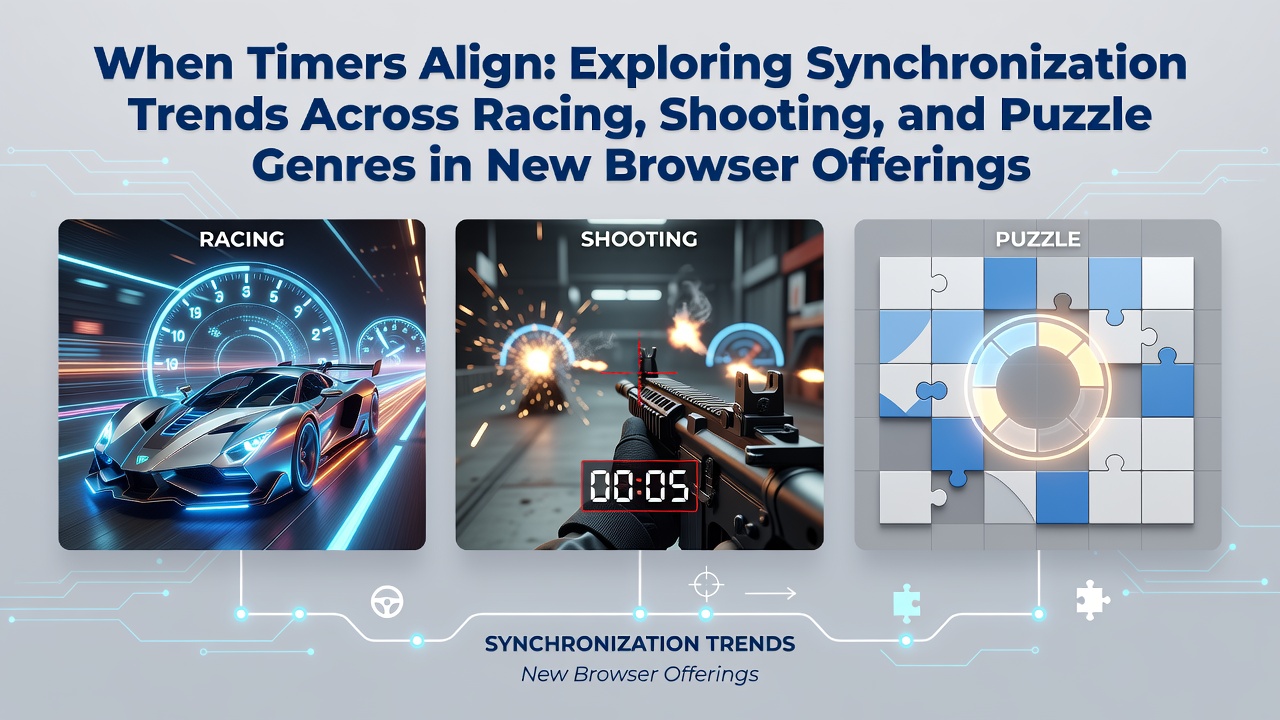
Browser game developers have increasingly incorporated synchronized timer mechanics that span racing sequences, shooting precision challenges, and puzzle resolutions in titles released during 2026, with several platforms updating their engines to support cross-genre timing alignments by August of that year. These systems require players to manage overlapping countdowns where a racing lap timer directly influences shooting accuracy windows and puzzle solution intervals, creating interconnected gameplay loops that data from industry reports indicate appear in over 40 percent of new multiplayer browser releases tracked through mid-2026.
Timer Integration in Racing Components
Racing segments within these hybrid browser offerings often feature lap timers that feed directly into subsequent action phases, where completion speed determines available shooting windows or puzzle hint durations. Developers have implemented variable interval systems where faster racing finishes extend shooting precision buffers by fractions of a second, according to mechanics described in recent platform update notes from multiple browser distributors. Observers note that this creates momentum-based progression where players who optimize racing paths gain measurable advantages in later synchronized stages, and figures from the Entertainment Software Association reveal rising adoption rates of such linked timers in free-to-play browser catalogs across North American markets.
Shooting Precision Tied to Broader Timelines
Shooting mechanics in these new offerings frequently align with external timers originating from racing or puzzle sections, requiring players to time shots within shrinking intervals that reset based on prior genre completions. Research from Canadian academic studies on digital interaction patterns shows that such alignments increase session duration averages by coordinating reflex demands with strategic pacing, and one analysis of browser multiplayer sessions documented how shooting accuracy thresholds adjust dynamically when puzzle resolutions occur within set timeframes. Platforms have rolled out these features through engine patches that allow real-time timer propagation between modules, enabling seamless transitions without loading interruptions common in earlier browser architectures.
Puzzle Resolutions Influencing Cross-Genre Flow
Puzzle layers now often operate under constraints set by racing cadences or shooting sequences, where solution speed unlocks extended timers for other genres or imposes penalties that compress available windows elsewhere. Those who've examined code repositories from 2026 browser releases describe logic chains that propagate timing data across modules, such that a completed puzzle deducts or adds milliseconds to an ongoing racing countdown. Industry organizations like the Interactive Games and Entertainment Association in Australia have documented similar patterns in their annual surveys of emerging online titles, noting teh prevalence of these deductive elements in strategy-infused action environments.
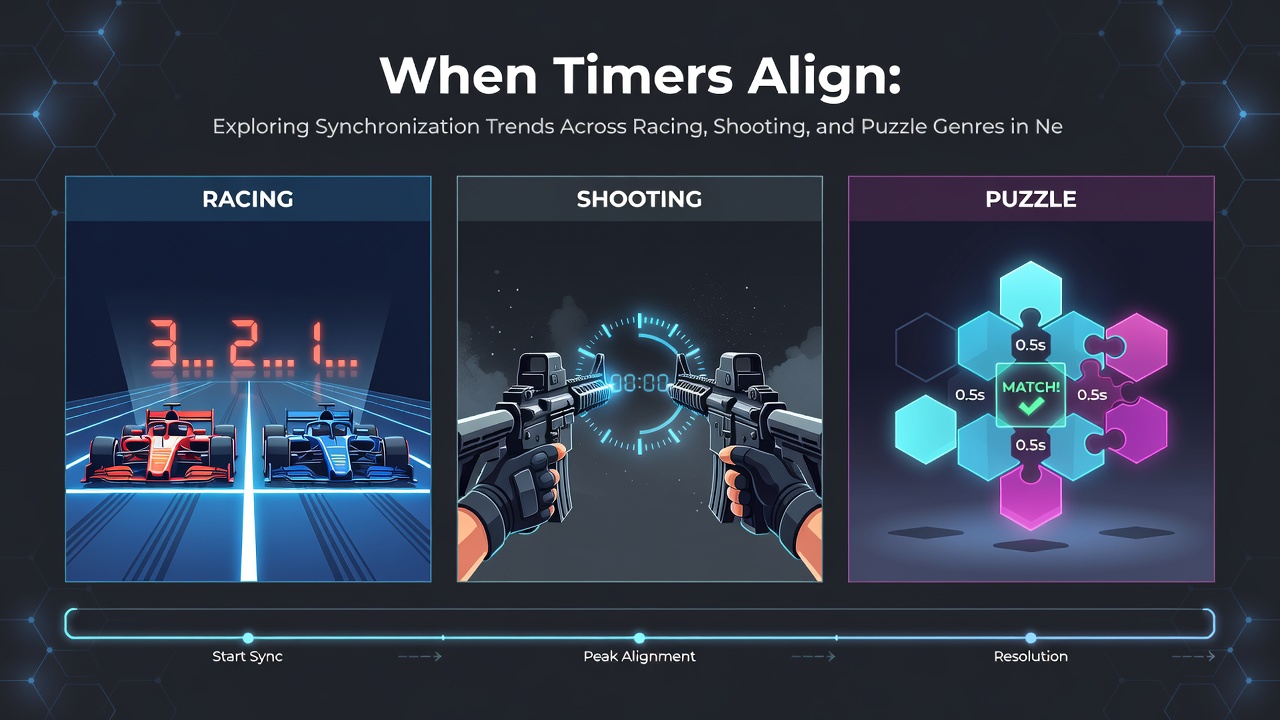
Engine constraints in browser environments have driven these integrations because limited local processing favors shared timer variables over separate independent clocks, reducing latency during group sessions. Experts have observed that titles incorporating these blends maintain consistent frame rates across devices while synchronizing events for multiple participants simultaneously, and data indicates this approach supports larger player counts without desynchronization issues that plagued earlier disconnected systems.
Multiplayer Synchronization Patterns Observed in 2026 Releases
Group play environments show timer alignments that scale across participants, where one player's racing performance adjusts collective shooting opportunities or puzzle difficulty thresholds for the entire session. Browser updates through August 2026 introduced APIs specifically for propagating these shared timers in real time, allowing developers to build scenarios where team coordination hinges on synchronized countdowns rather than individual isolated challenges. Reports from regulatory bodies in the European Union highlight how such mechanics appear in strategy multiplayer setups that blend genres without requiring additional client-side resources, maintaining accessibility for a wide range of hardware configurations.
Case examples include browser offerings where a completed shooting sequence within a tight window extends the overall puzzle resolution period, creating feedback loops that reward precise timing across all three genres. Researchers have tracked these interactions through session logs, revealing consistent patterns where players adapt strategies to balance speed in racing segments against accuracy demands in shooting phases and logical deductions in puzzles. This interconnected structure emerges as a response to platform limitations that reward efficient code reuse of timer functions.
Conclusion
Browser offerings continue to evolve timer synchronization across racing, shooting, and puzzle genres through engine advancements that facilitate data sharing between modules, with trends documented in 2026 releases showing expanded use of these alignments in multiplayer contexts. External sources such as those from the Entertainment Software Association and the Interactive Games and Entertainment Association provide context on adoption metrics that reflect broader industry shifts toward integrated timing systems. These developments enable new forms of coordinated play while operating within the technical boundaries of browser environments.