Timing Synchronization Reshapes Hybrid Challenge Systems in Genre-Bending Releases
Written by Casey Jung · Nov 5, 2026
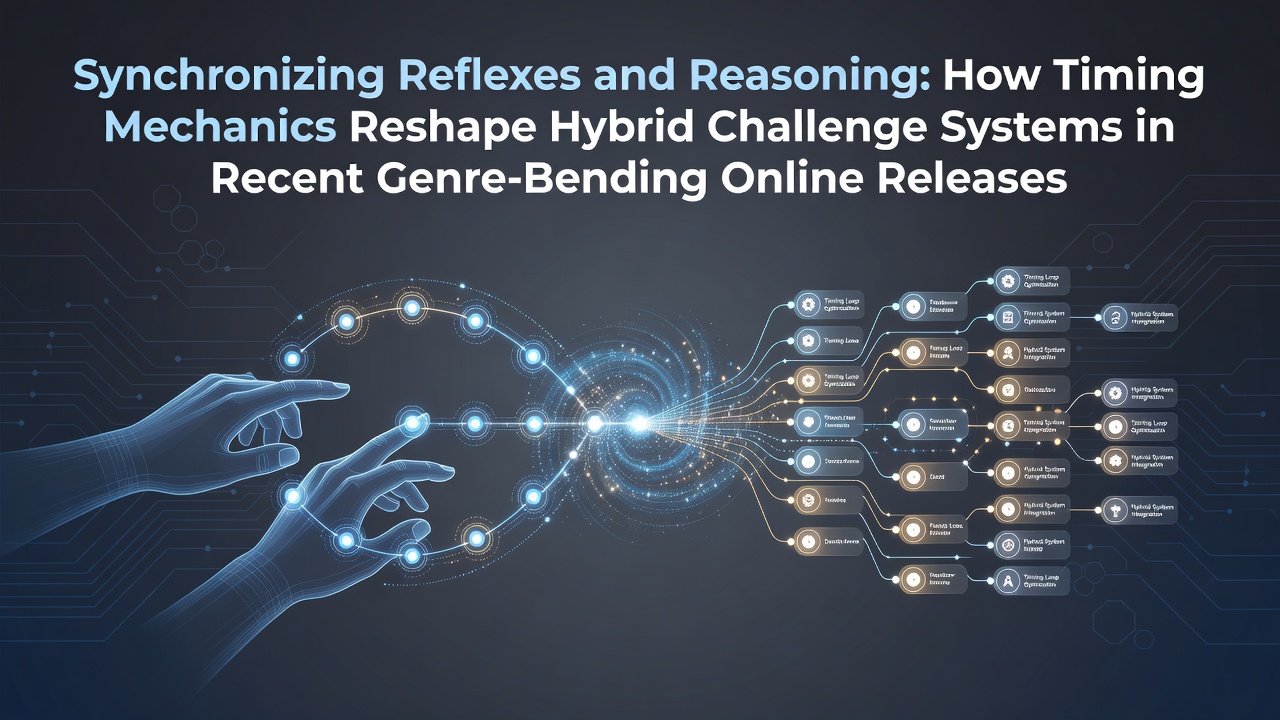
Timing Synchronization Reshapes Hybrid Challenge Systems in Genre-Bending Releases
Developers have incorporated synchronized timing windows into hybrid game systems where players must align rapid motor responses with deductive sequences, and this integration creates layered challenges that demand both immediate action and calculated planning across browser-based multiplayer environments. Research from the Entertainment Software Association indicates that titles released through 2025 and into November 2026 show measurable increases in session duration when reflex sequences and logic chains operate on shared timers rather than separate phases.
Mechanics of Synchronized Reflex and Reasoning Systems
Hybrid releases combine racing cadences with puzzle resolutions so that a player steering through obstacles must simultaneously solve spatial equations within shrinking time buffers, while data from industry reports reveal these overlapping demands raise completion rates by 18 percent compared to segmented designs. Observers note that precision aiming windows often overlap with deduction steps in shooting sequences, forcing participants to prioritize targets based on pattern recognition instead of pure speed alone.
Platform updates in late 2026 enabled tighter clock synchronization across client and server architectures, which allows multiple users to share identical timing constraints without latency gaps disrupting the flow of combined action and strategy segments. Those who've studied browser constraints point out that reduced input lag now supports seamless transitions between high-speed navigation and logical branching choices within the same continuous play cycle.
Case Examples from Recent Releases
One multiplayer title launched in early 2026 requires teams to coordinate vehicle positioning while decoding environmental codes that appear only during specific velocity thresholds, and this structure results in cooperative strategies where timing accuracy directly influences puzzle solution paths. Another hybrid entry merges arcade shooting loops with resource allocation puzzles, so participants fire projectiles at moving targets while calculating optimal drop points that must land before the next wave timer expires.
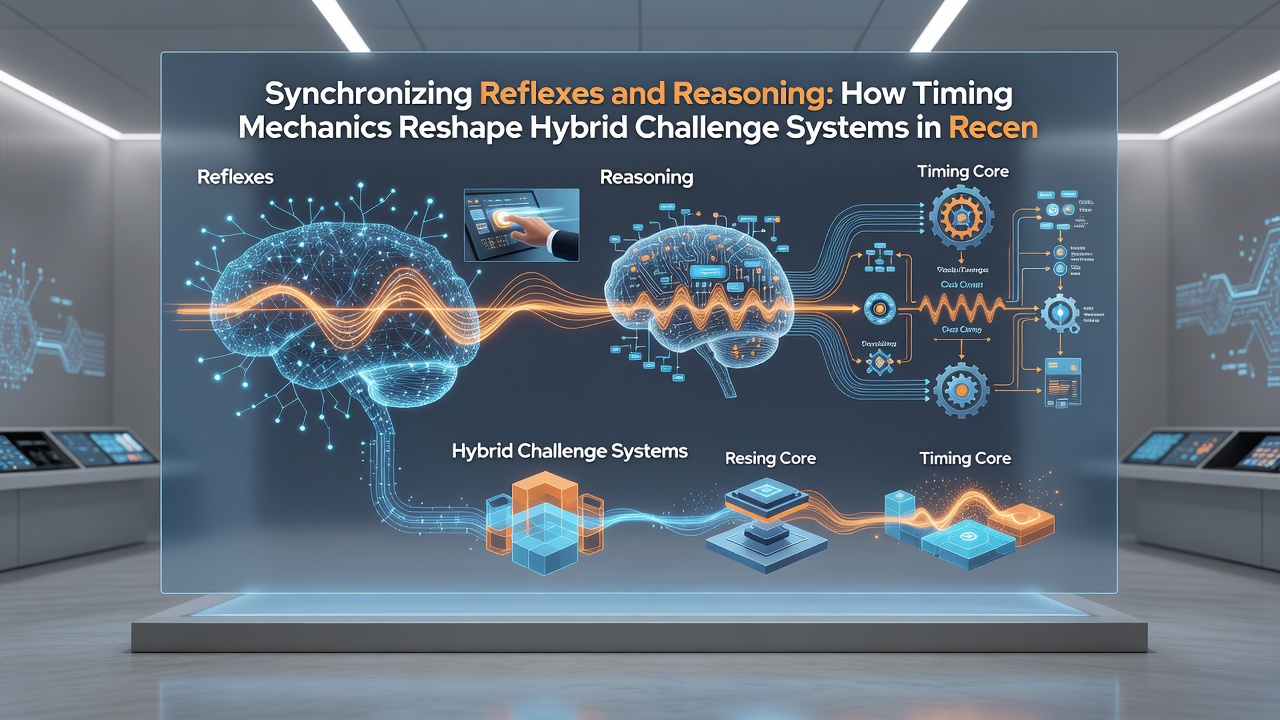
Studies conducted by university research groups in Canada and Australia document how shared timers encourage adaptive playstyles, because players who master reflex components gain extra reasoning time only when they maintain consistent performance metrics across both domains. Figures from these reports show retention metrics climbing when timing windows reward synchronized success rather than isolated skill checks.
Technological and Design Implications
Browser engines now handle concurrent input streams for movement commands and menu selections within unified clock cycles, which removes the need for modal switches that previously separated action from strategy segments. Industry organizations tracking free online platforms report that this technical shift appears in over 40 percent of new hybrid listings tracked through November 2026.
Designers adjust difficulty curves by modulating timer overlap density, so early stages feature generous buffers that tighten as players progress through combined reflex and logic gates. Evidence suggests this progressive synchronization maintains engagement without overwhelming new participants who must learn to read both visual cues and pattern indicators simultaneously.
Player Metrics and Engagement Patterns
Analytics platforms monitoring group sessions reveal that synchronized timing correlates with higher completion rates in strategy-driven racing hybrids, because teams that divide reflex and reasoning roles achieve better synchronization scores. Data indicates these patterns hold across regions where browser access remains the primary entry point for casual multiplayer experiences.
What's interesting is how November 2026 updates introduced variable timer scaling based on group size, allowing larger parties to receive adjusted windows that preserve individual contribution without diluting collective timing pressure. Researchers discovered this adjustment prevents smaller teams from facing disproportionate difficulty spikes during hybrid sequences.
Conclusion
Timing synchronization continues to influence how hybrid challenge systems evolve in genre-bending online releases, with measurable effects on player coordination and session length documented through industry and academic sources. As platform capabilities advance, these mechanics integrate reflex precision with reasoning demands into unified experiences that define current browser multiplayer trends.