Syncing Reflexes with Deduction in Arcade Releases Blending Adventure Exploration and Strategy Planning for Group Play
Written by Klara Beck · Aug 7, 2026

Syncing Reflexes with Deduction in Arcade Releases Blending Adventure Exploration and Strategy Planning for Group Play
Arcade releases in 2026 continue to merge quick reflex actions with deductive problem solving, creating titles that combine adventure exploration and strategy planning for simultaneous group participation. Developers integrate timing-based mechanics alongside logic sequences so participants must react instantly while interpreting environmental clues and coordinating team decisions. Data from browser platform analytics shows increased session lengths when these elements operate together, with group configurations extending play duration by measurable margins compared to single-genre formats.
Core Mechanics in Current Releases
Reflex synchronization appears through aiming sequences, movement timing, and evasion patterns that demand precise inputs under time pressure. Deductive layers overlay these demands by requiring players to decode patterns, map hidden routes, and allocate resources based on partial information. Arcade titles released between late 2025 and August 2026 frequently embed both within exploration frameworks where groups navigate procedurally generated zones, collect artifacts, and resolve multi-step puzzles before advancing to timed challenge segments. Industry reports from the Entertainment Software Association indicate that hybrid designs now account for a growing share of new browser listings, driven by engine updates that support low-latency multiplayer across varied device types.
Exploration phases encourage collective mapping and route selection while strategy planning sessions allow teams to assign roles such as scout, analyst, and executor. Reflex moments interrupt these phases when sudden obstacles or enemy encounters activate, forcing rapid execution of pre-planned tactics. Observers tracking player retention note that successful groups maintain communication channels that translate deductive insights into immediate reflex responses without disrupting overall flow.
Browser Technology Enabling Integration
Platform constraints historically limited simultaneous reflex and logic processing, yet recent updates to WebGL and WebRTC standards have reduced input lag and improved state synchronization. These changes permit larger player counts to share the same session while each participant handles distinct reflex and deduction tasks. Research from Canadian academic groups studying online interaction patterns documents how reduced latency correlates with higher coordination accuracy in mixed-mechanic environments. Titles now stream dynamic maps that update in real time, allowing one subgroup to explore while another deduces optimal paths and a third executes reflex sequences to secure objectives.
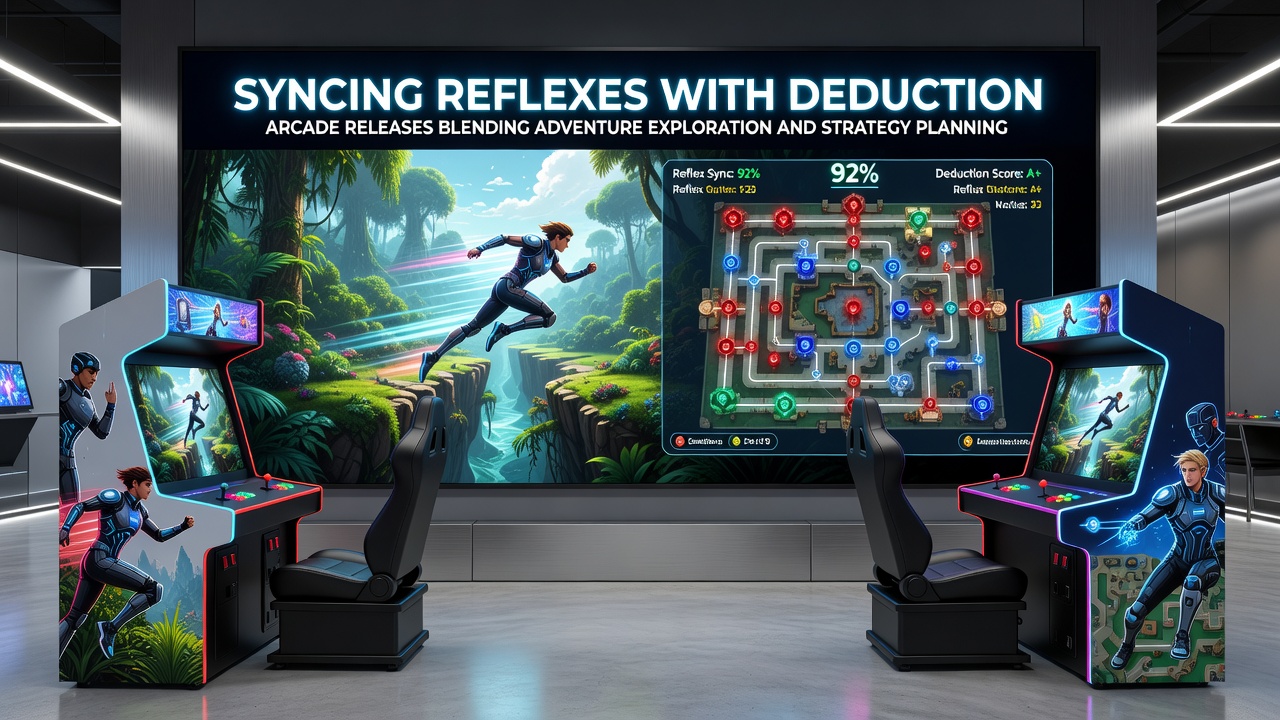
August 2026 listings demonstrate expanded use of modular design where developers release core exploration loops first and layer timed reflex challenges as optional group extensions. This structure supports incremental adoption, letting casual participants join for shorter sessions while dedicated teams tackle extended campaigns requiring both rapid reactions and sustained logical analysis. Figures from European gaming trade associations reveal that browser titles incorporating these modular hybrids report elevated repeat visit rates during summer release windows.
Group Dynamics and Coordination Patterns
Multiplayer setups in these releases reward role specialization. One participant might focus on reflex-heavy traversal while teammates handle deduction through shared annotation tools and resource trackers. Strategy planning occurs in designated safe zones where groups review collected data before committing to high-stakes reflex sequences. Case studies of popular browser releases show that teams employing explicit role division achieve faster progression through exploration tiers than unstructured groups. Communication remains essential because deductive conclusions must translate into immediate reflex triggers, such as calling out enemy spawn locations during navigation segments.
Platform analytics further indicate that sessions involving four to six participants generate the most stable performance metrics for both reflex accuracy and deduction success rates. Larger groups introduce coordination overhead that can dilute timing precision unless supported by in-game cue systems. Developers address this through visual indicators and audio signals that convey deductive outcomes without requiring constant verbal exchange.
Future Trajectories for Hybrid Arcade Design
Engine improvements scheduled for late 2026 aim to deepen integration by allowing reflex and deduction mechanics to influence each other dynamically. Environmental states altered through deduction may trigger new reflex opportunities, while successful reflex executions could reveal additional clues for ongoing strategy adjustments. Academic papers examining browser-based group interaction continue to track how these feedback loops affect overall engagement duration and team satisfaction metrics. Current evidence suggests sustained interest in titles that maintain clear separation between planning phases and execution phases while still permitting seamless transitions.
Conclusion
Arcade releases that sync reflexes with deduction within adventure exploration and strategy planning frameworks represent an established direction in browser multiplayer development. Data collected through August 2026 confirms measurable benefits in retention and session length when these components operate in balanced configurations. Continued platform evolution supports broader implementation, enabling larger participant groups to engage simultaneously across varied geographic regions and device capabilities.