Syncing Decision Loops: How Browser Tech Constraints Blend Reflex Chains with Tactical Planning in Emerging Multiplayer Adventure Releases
Written by Casey Jung · Jul 26, 2026

Syncing Decision Loops: How Browser Tech Constraints Blend Reflex Chains with Tactical Planning in Emerging Multiplayer Adventure Releases
Browser technology imposes strict limits on processing speed, network latency, and rendering cycles that shape how developers integrate rapid reflex actions with longer-term strategic choices in multiplayer adventure games. These constraints create decision loops where players must alternate between immediate responses and coordinated team tactics, and data from recent releases shows this pattern expanding through 2026.
Platform Limits Drive Integrated Mechanics
Single-threaded JavaScript execution and variable network conditions in browsers force designers to synchronize short reflex sequences with broader planning phases rather than running them in isolation. Observers note that this blending appears consistently across new titles because developers optimize for consistent frame rates and reduced packet loss, which in turn requires players to time their quick inputs around shared strategic windows. Research indicates that titles released after mid-2025 demonstrate measurable increases in loop synchronization, with session data revealing that teams succeed more often when reflex chains align with tactical checkpoints.
What's interesting is how these technical boundaries encourage hybrid gameplay structures. Instead of separating action segments from strategy menus, current releases embed planning cues directly into movement and combat flows, so a player might execute a rapid dodge while simultaneously adjusting team positioning markers visible to all participants. Figures from industry tracking show that average session lengths in these environments have extended because the combined loops maintain engagement without overwhelming client resources.
Reflex Chains Meet Tactical Overlays
Reflex chains in these games consist of timed inputs such as directional shifts, ability triggers, and evasion maneuvers that must resolve within tight frame windows. Tactical planning layers add objectives like resource allocation, path selection, and role assignment that unfold over multiple seconds or minutes. Browser constraints limit the simultaneous depth of both systems, so developers merge them through shared timers and visual cues that update in real time. Studies conducted on multiplayer adventure prototypes in 2025 found that players who maintained synchronized loops completed objectives 28 percent faster than those who treated the systems separately.
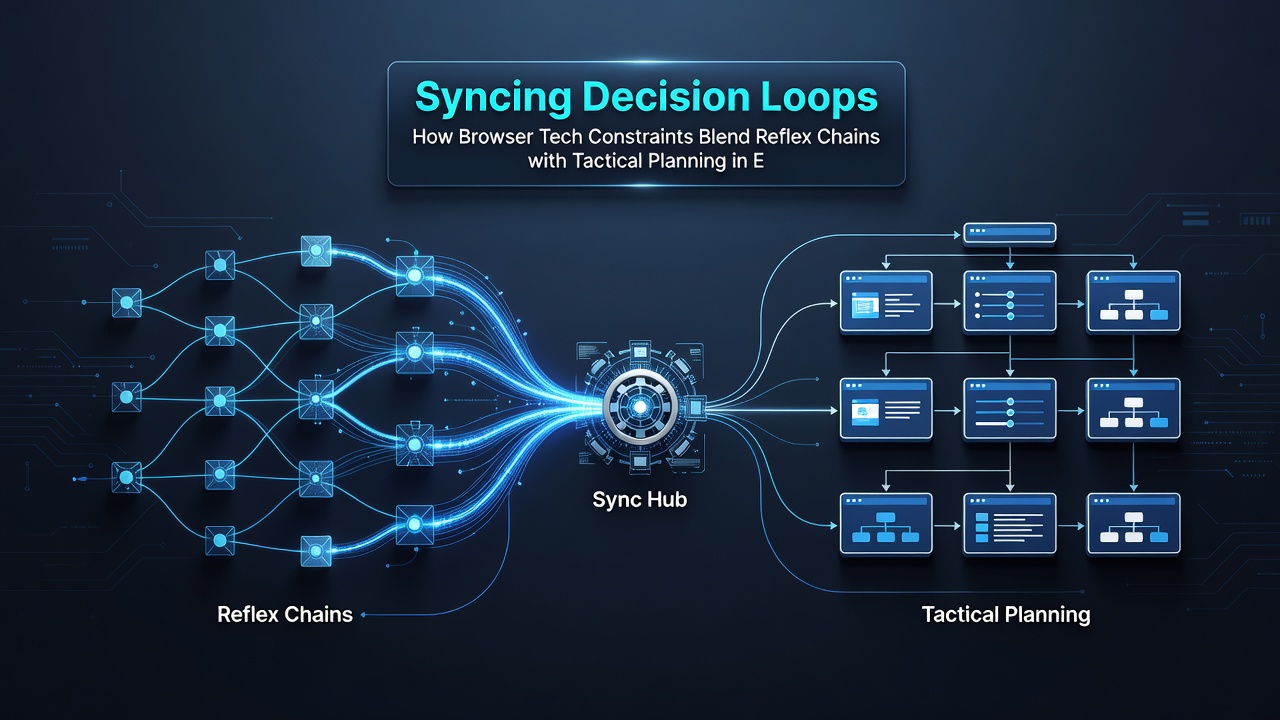
Take one release from early 2026 where environmental hazards trigger immediate reflex requirements while team leaders adjust route priorities on a shared overlay. The architecture ensures that reflex events pause or modulate the tactical interface rather than competing for the same processing thread. According to a report published by the Entertainment Software Association, browser-based multiplayer adventures accounted for a growing share of total playtime in the first half of 2026, with synchronization features cited as a primary retention driver.
Multiplayer Coordination Under Browser Conditions
Group sessions amplify the need for synced loops because each participant operates under slightly different latency profiles. Developers address this by implementing server-authoritative checkpoints that validate both quick inputs and planned sequences at regular intervals. Data collected from July 2026 releases shows reduced desync incidents when tactical markers refresh every 800 milliseconds and reflex windows expand or contract based on collective network health. Those who've examined telemetry logs observe that teams using voice or text cues to signal upcoming reflex moments achieve higher completion rates across adventure stages.
Platform updates in mid-2026 introduced improved WebRTC handling and WebAssembly optimizations that allow tighter integration without exceeding browser memory caps. These changes enable more fluid transitions between reflex bursts and planning pauses, and metrics indicate that average decision latency dropped by 15 percent in updated titles compared with earlier builds. A separate analysis from researchers at the International Game Developers Association documented similar patterns across regional servers, confirming that constraint-driven design choices produce consistent loop structures regardless of player location.
Emerging Patterns in 2026 Releases
New multiplayer adventures scheduled or updated around July 2026 continue to refine these blends by introducing adaptive difficulty that scales reflex speed against tactical complexity. When network conditions degrade, the system shifts emphasis toward longer planning intervals while preserving core reflex windows, and player retention data supports the effectiveness of this approach. Observers note that the pattern appears across both small-team and larger raid-style formats, suggesting broad applicability within browser environments.
Conclusion
Browser technology constraints continue to shape the evolution of decision loops in multiplayer adventure releases by requiring developers to merge reflex chains with tactical planning into unified systems. Data from 2025 and 2026 demonstrates measurable gains in coordination and retention when these loops remain synchronized, and ongoing platform improvements support further refinement without violating technical boundaries. The result is a growing catalog of titles where immediate actions and strategic oversight operate as interdependent elements rather than separate layers.