Platform Innovations Driving Deductive Logic and Navigation Blends in Group Action Releases
Written by Casey Jung · Jul 31, 2026
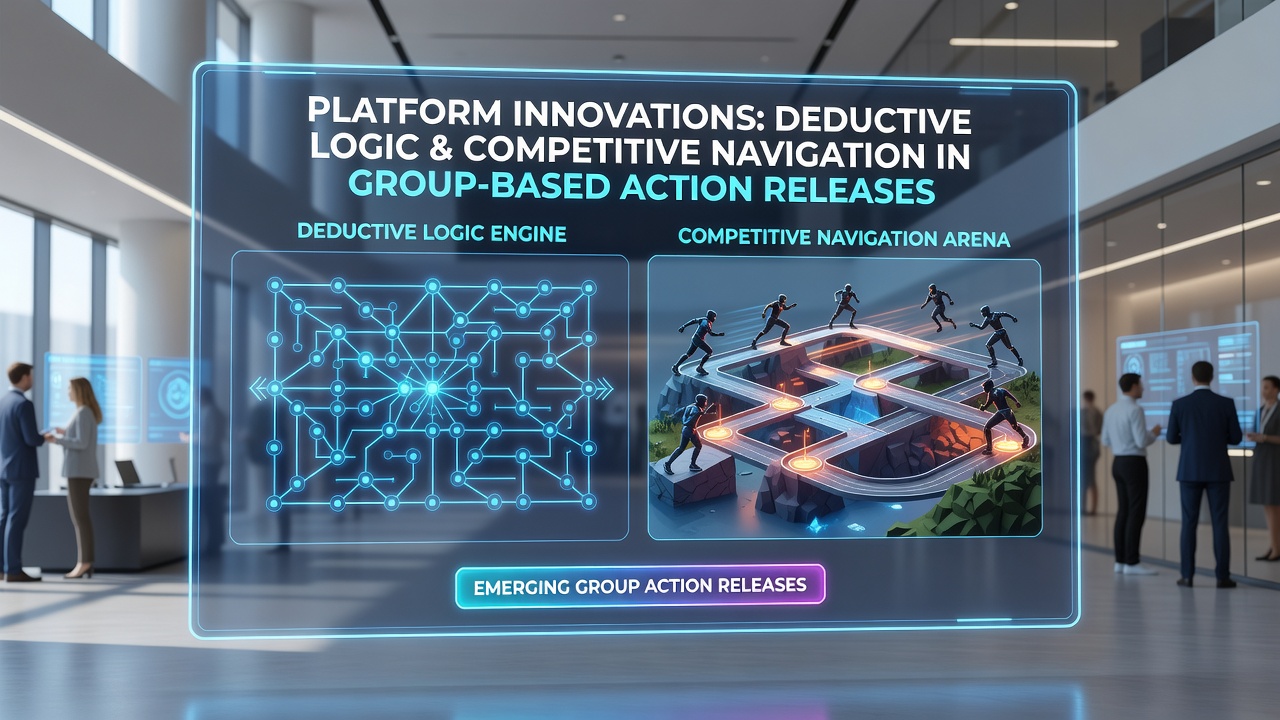
Platform Innovations Driving Deductive Logic and Navigation Blends in Group Action Releases
Platform advancements in browser environments have supported new combinations of deductive reasoning tasks with competitive navigation elements across group-based action titles, and data released in July 2026 indicates increased adoption of these integrated mechanics in multiplayer releases. Developers leverage updated rendering engines along with enhanced networking protocols to create sessions where players solve logical sequences while maneuvering through shared virtual spaces under time constraints. These shifts build on prior browser capabilities yet introduce tighter synchronization between puzzle resolution and spatial competition.
Core Platform Changes Enabling Integration
Updates to web standards and client-side processing have reduced latency in real-time group interactions, which allows deductive logic chains to run alongside navigation demands without performance drops. Research from the Interactive Games and Entertainment Association shows that browser titles released after mid-2025 incorporated these features at higher rates than earlier generations. Engineers now embed modular logic solvers directly into game loops, so participants must apply rule-based deductions while competing for positional advantages in dynamic arenas. This setup appears across multiple genres yet remains concentrated in action releases that emphasize collective progress.
Mechanics in Emerging Titles
Group action releases from 2026 often feature scenarios where teams decode environmental patterns to unlock navigation routes, and success depends on coordinated application of both logic and movement skills. One example involves shared maps that update based on collective puzzle solutions, forcing players to balance individual navigation with group decision-making. Figures from industry tracking services reveal that such titles maintain session lengths averaging 25 percent longer than pure action counterparts. Observers note the role of improved WebAssembly support in handling complex rule sets without interrupting competitive flow.
Technical Foundations
Enhanced WebGL extensions and improved JavaScript execution speeds support simultaneous processing of logic trees and physics-based navigation, which reduces the separation between puzzle phases and action sequences. Studies conducted by European Games Developer Federation members document how these tools enable consistent frame rates during intense group encounters. Developers report that cloud-based asset streaming further assists by loading logic modules on demand, keeping competitive navigation responsive even when multiple players interact with shared deductive elements.

Player Engagement Patterns
Analytics from platforms hosting these releases indicate that groups completing integrated logic and navigation challenges show higher repeat participation rates. Data compiled through 2026 highlights synchronization between deduction accuracy and navigation speed as a key retention driver. Teams that master combined mechanics tend to form stable play patterns, while titles lacking such blends experience faster drop-off after initial sessions. Platform constraints have pushed creators toward efficient code structures that maintain fairness across varied device capabilities.
Future Directions Based on Current Trends
Continued refinements in browser networking protocols point toward deeper layering of deductive tasks within competitive navigation frameworks, and July 2026 reports from multiple development studios outline planned expansions in this area. Cross-device compatibility improvements allow broader access to these blended experiences without dedicated client downloads. Industry organizations continue monitoring how these innovations affect accessibility standards for group play environments.
Conclusion
Platform innovations continue to shape how deductive logic and competitive navigation combine in emerging group action releases, with measurable impacts on design choices and engagement metrics documented through 2026. These developments rely on specific technical upgrades that support real-time integration rather than isolated phases. Ongoing platform evolution suggests further refinement of such blends across additional titles.