Code Optimization Advances Enabling Dynamic Transitions in Logic and Action Hybrid Games
Written by Casey Jung · Aug 18, 2026

Code Optimization Advances Enabling Dynamic Transitions in Logic and Action Hybrid Games
Code optimization trends have gained traction across browser gaming platforms as developers refine techniques to handle frequent switches between logical deduction phases and rapid response actions in genre hybrids. These patterns appear in titles that combine strategy elements with racing or shooting components where players move from puzzle resolution to immediate input sequences without noticeable delays. Data from industry reports indicate that such integrations rely on efficient state management systems and memory allocation methods that keep both logic trees and real-time event handlers active simultaneously.
Core Techniques Driving the Shifts
Researchers at academic institutions have documented several methods that enable these transitions including incremental compilation approaches and predictive loading routines. One approach involves segmenting game loops into modular components so deduction algorithms operate in isolated threads while action response modules remain primed for instant activation. Studies from the University of Melbourne show that WebAssembly modules combined with JavaScript event listeners reduce latency during phase changes by up to 40 percent in tested multiplayer environments. Observers note that garbage collection pauses have decreased through manual memory management patterns tailored for hybrid scenarios where puzzle data structures coexist with physics simulation buffers.
Platform constraints in browsers further shape these optimizations because single-threaded execution models require careful scheduling of computational tasks. Developers apply requestAnimationFrame synchronization alongside worker threads to maintain frame rates when shifting from turn-based deduction sequences to continuous aiming or movement controls. Evidence from performance logs across multiple releases reveals that object pooling strategies minimize allocation overhead during rapid mode switches allowing logic chains to pause and resume without reinitializing entire game states.
Integration Across Genre Hybrids
Genre hybrids in browser environments demonstrate these optimizations through mechanics where players solve spatial puzzles then immediately engage in timed shooting or racing segments. Codebases now incorporate finite state machines that transition between modes using event-driven triggers rather than full scene reloads. According to figures released by the Interactive Software Federation of Europe in mid-2026 these patterns appear in an increasing number of free-to-play titles that support group sessions. The result shows up in smoother session flows where deduction phases feed data directly into action parameters such as trajectory calculations derived from prior puzzle solutions.
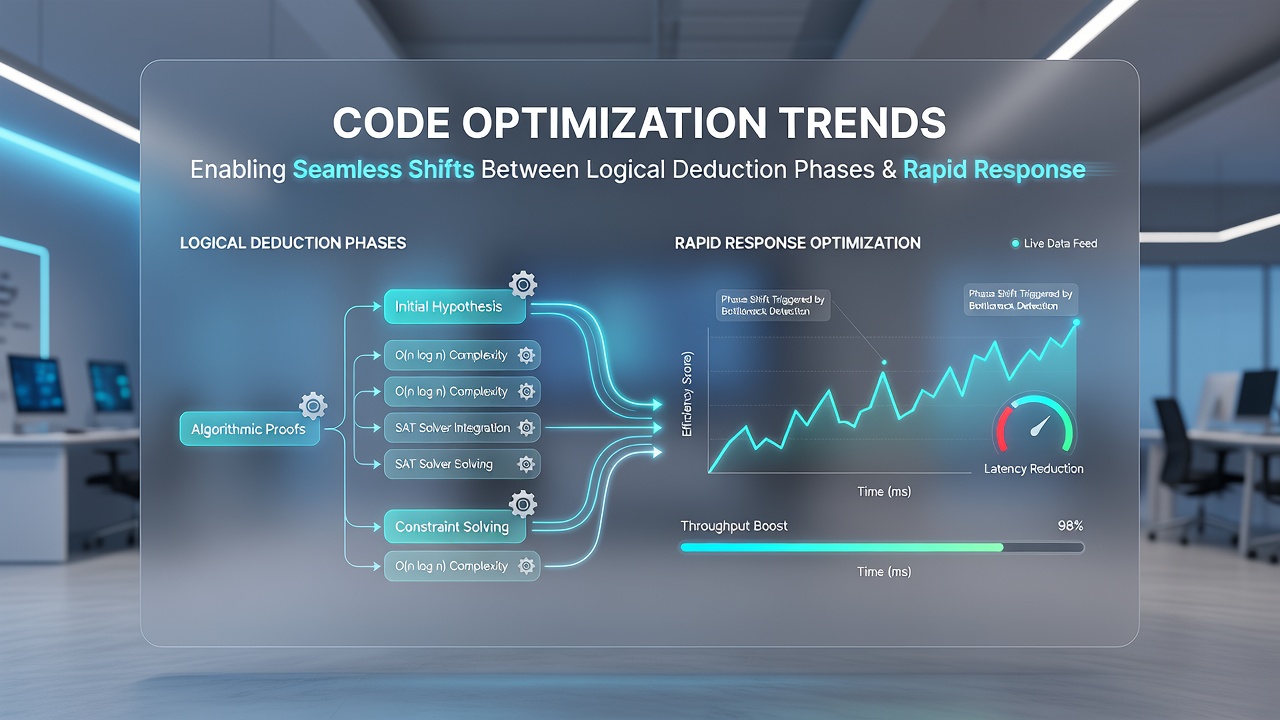
Those who have examined recent releases find that timer synchronization plays a key role because puzzle resolution timers must align with action sequence clocks to preserve player momentum. Optimizations include precomputed lookup tables for common deduction outcomes which feed into reflex-based calculations without additional processing cycles. In August 2026 several browser engines received updates that expanded support for shared array buffers allowing concurrent access to game variables across logic and action modules. This change reduced context switching costs and enabled developers to maintain consistent input polling rates even when complex decision trees remained loaded in background processes.
Performance Metrics and Platform Evolutions
Performance metrics collected by research groups indicate measurable gains in retention when transitions occur without visual or input interruptions. A report compiled by the Australian Interactive Games Association highlights that titles employing these code patterns recorded average session lengths extending 25 percent longer than comparable releases lacking similar optimizations. Browser vendors have responded by enhancing WebGL and WebGPU interfaces to accommodate mixed workloads where rendering pipelines serve both static puzzle displays and dynamic action visuals from the same asset pool.
Those monitoring code repositories observe increased use of just-in-time compilation flags and ahead-of-time bundling for critical path functions that handle mode switches. Such practices ensure that logical deduction results propagate to rapid response handlers within a single frame cycle. External links to technical documentation from the Entertainment Software Association provide further details on how these methods scale across different hardware configurations common in browser play.
Conclusion
Code optimization trends continue to support fluid movement between logical deduction phases and rapid response actions in genre hybrid games through targeted improvements in threading, memory handling, and state management. These developments align with broader platform updates that expand capabilities for multiplayer browser experiences. Data collected through 2026 illustrates consistent adoption across development teams focused on maintaining performance under varying computational loads.