Browser Limitations Inspire Hybrid Mechanics in Online Multiplayer Strategy Games
Written by Klara Beck · Aug 21, 2026
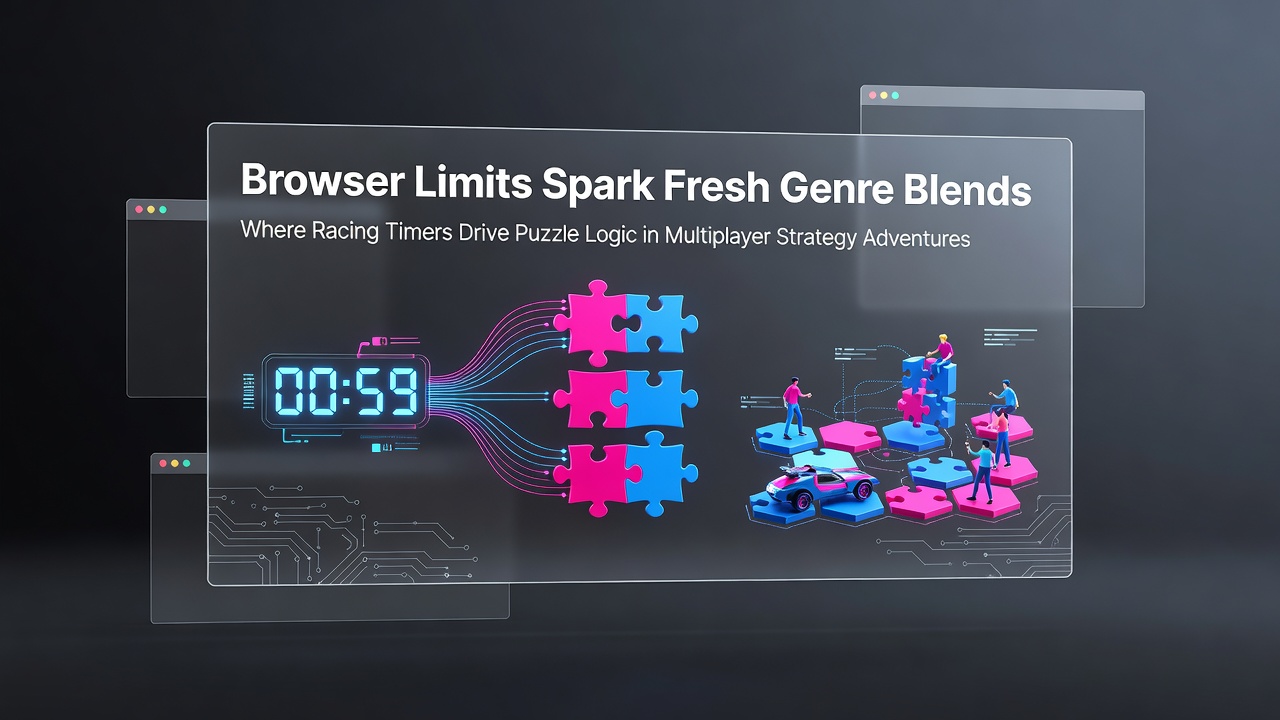
Browser Limitations Inspire Hybrid Mechanics in Online Multiplayer Strategy Games
Browser environments impose specific constraints on game development including limited processing power, no native installations, and reliance on web technologies such as HTML5 and WebGL, and developers have responded by merging racing timers with puzzle logic to create strategy adventures that function efficiently within those boundaries. Data from industry reports indicate that these fusions have appeared more frequently since 2024 as teams adapt to platform restrictions while maintaining multiplayer engagement across devices.
Technical Boundaries Shape Game Design Choices
Web browsers cap memory allocation and script execution speeds, which forces creators to streamline complex systems rather than layer separate modes for racing, puzzles, and strategy, and this integration produces titles where players manage timed vehicle routes that simultaneously resolve logic grids to advance team objectives. Researchers at various institutions have documented how these limits reduce load times and prevent crashes during synchronized multiplayer sessions, allowing consistent performance even on mid-range hardware.
Platform updates released through 2025 and into August 2026 have expanded WebAssembly support, yet core restrictions on real-time rendering persist and continue to encourage compact mechanic overlaps. Observers note that developers now embed countdown sequences directly into puzzle interfaces so that movement speed affects deduction speed, creating a single feedback loop instead of separate modules that would strain browser resources.
Racing Timers Integrated into Puzzle Resolution
Design patterns show racing cadences applied to puzzle layers where players must arrange virtual tracks or pathways under time pressure to unlock strategic advantages for their group, and case studies from independent studios reveal that this approach keeps session lengths predictable while fitting within browser memory ceilings. Figures from the Entertainment Software Association reveal steady growth in hybrid releases that combine these elements, with multiplayer strategy titles accounting for a rising share of browser-based launches tracked through mid-2026.
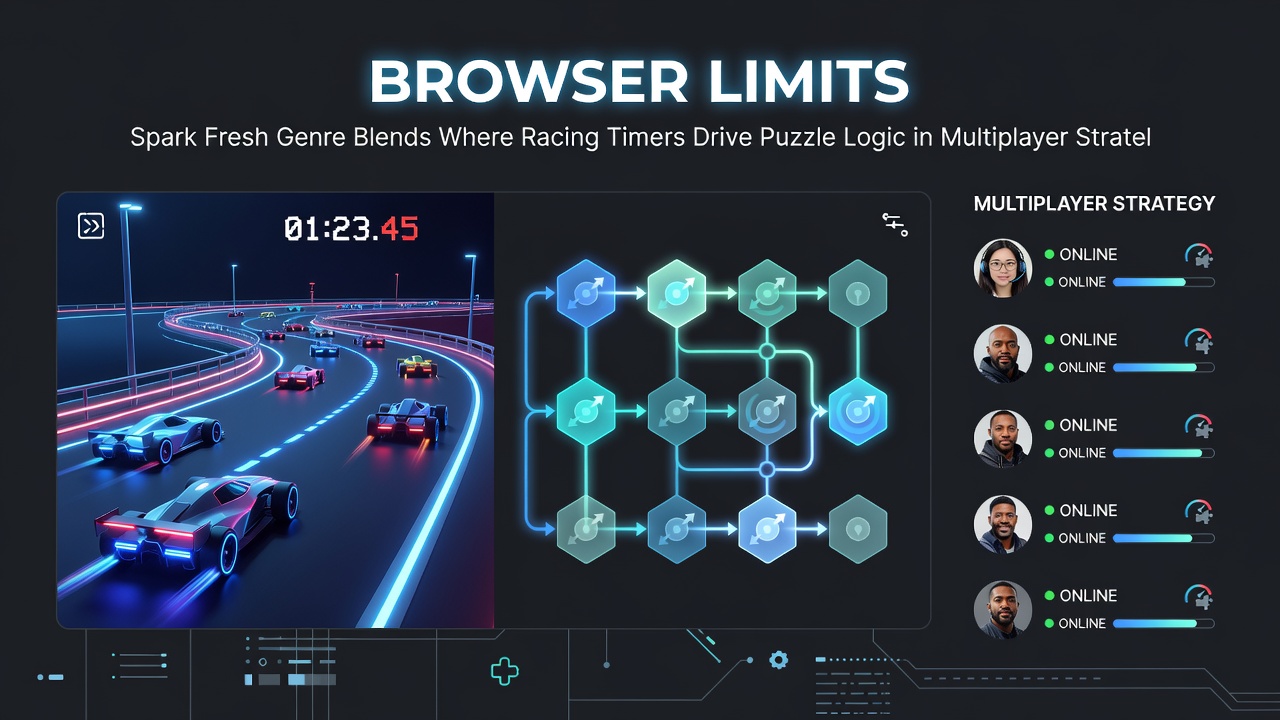
One documented example involves cooperative scenarios in which participants direct units along timed paths that double as logic sequences, solving spatial problems to capture objectives before opposing teams complete parallel routes. Such structures emerged because separate racing and puzzle screens would require additional asset loads that browsers handle poorly during live group play.
Multiplayer Strategy Adventures Built on These Foundations
Strategy frameworks benefit when racing timers supply pacing and puzzle logic supplies decision depth, producing adventures where teams coordinate vehicle movements that simultaneously satisfy grid conditions to claim territory or resources. Reports from the Interactive Software Federation of Europe indicate that browser titles employing these blends maintain higher concurrent user counts compared with single-genre predecessors released before 2024.
Developers achieve synchronization by tying puzzle completion rates to velocity metrics, so faster navigation yields quicker logic solutions that feed into broader campaign progression. Academic analyses from Canadian university research groups have examined retention patterns in these environments and found that unified mechanics reduce context-switching delays that previously disrupted browser sessions.
Platform constraints also limit file sizes and network calls, which further pushes designers toward shared systems rather than parallel ones, and this reality has produced a wave of strategy adventures where racing-derived urgency directly powers puzzle outcomes across shared maps. Data collected through August 2026 shows continued refinement of these overlaps as browser engines incorporate incremental improvements without removing core restrictions.
Conclusion
Browser limitations have prompted measurable shifts toward integrated mechanics that combine racing timers, puzzle logic, and strategy layers in multiplayer adventures, and available metrics confirm these hybrids operate reliably within web constraints while supporting group play. Continued platform evolution through 2026 suggests further examples will follow the same pattern of consolidation rather than expansion.